Avail PM Surya Ghar Yojana.
Get Subsidy up to ₹78,000.
SunSaathi is a private company that helps homeowners apply for the government scheme — we are not the Government of India and don't decide or disburse the subsidy.
India's biggest rooftop solar subsidy scheme is live — and most of the paperwork that stops homeowners from claiming it is exactly what SunSaathi handles for free. Fill the form above and we'll check your eligibility and call you back.
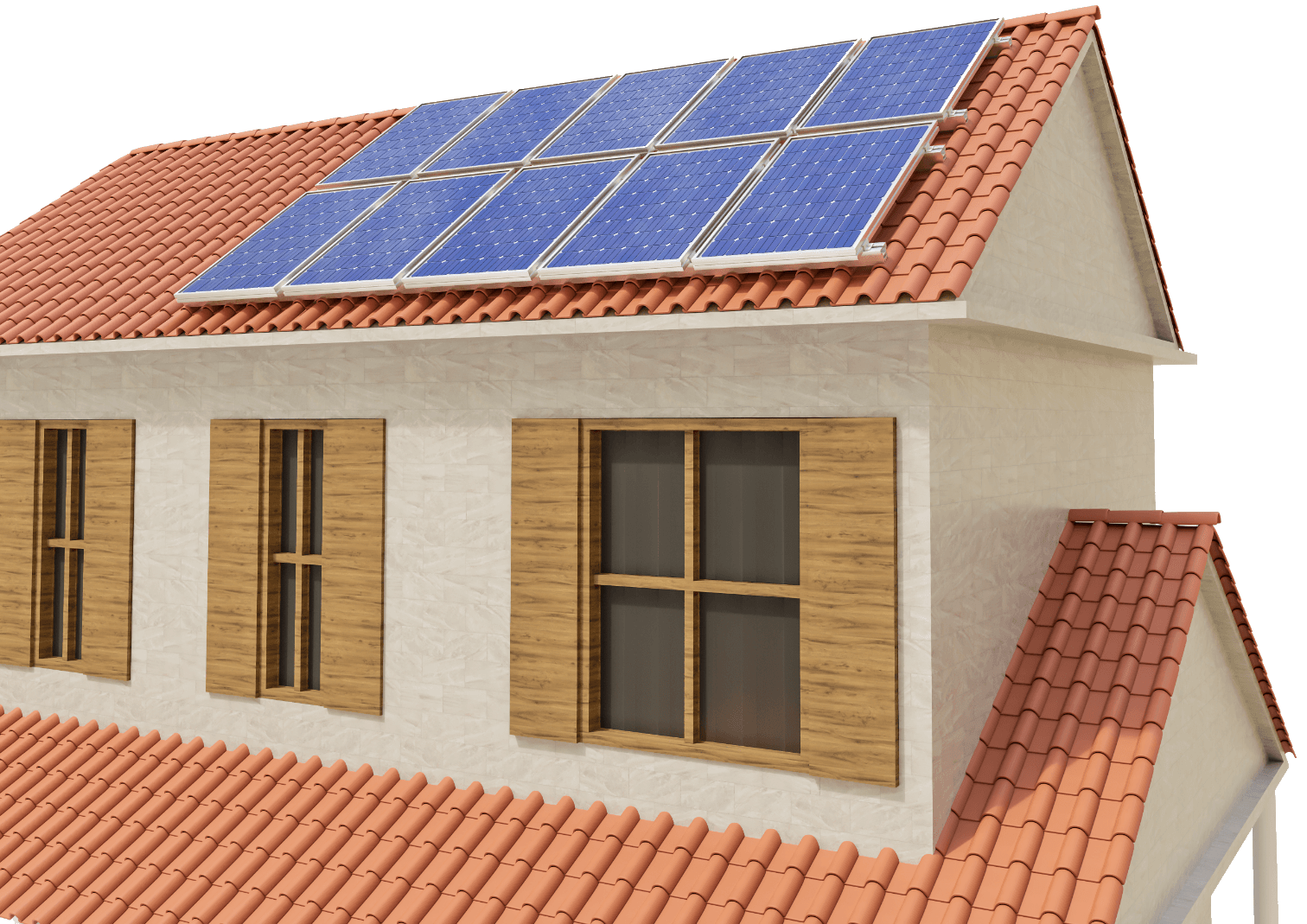
The government is already paying part of your bill.
Under the PM Surya Ghar: Muft Bijli Yojana, eligible homeowners get a direct bank transfer subsidy on rooftop solar — on top of whatever you save on your monthly bill. SunSaathi files the entire application for you, correctly, the first time.
What a rooftop solar system actually changes.
Beyond the monthly bill, rooftop solar changes how a household relates to power altogether — here's what homeowners tell us matters most once the system is live.
Lower electricity bills for 25+ years
Once commissioned, a rooftop system typically offsets 80–90% of a household's daytime consumption, with savings compounding every year electricity tariffs rise.
A fixed subsidy, not a rebate you chase
The government subsidy is paid directly to your bank account under PM Surya Ghar — SunSaathi files it correctly the first time so it isn't stuck in a rejected application.
An EMI that can undercut your bill
Financed through a solar loan, monthly payments are often close to — or lower than — what you were already paying the DISCOM, from day one.
Fewer surprises during power cuts
Pairing a system with a battery or hybrid inverter keeps essential loads running through short outages, on top of the daytime generation you're already using.
Added resale value
A commissioned, net-metered solar system with transferable warranties is increasingly a line item buyers ask about when evaluating a home.
Lower household carbon footprint
A typical 3 kW residential system offsets several tonnes of CO₂ emissions a year compared to grid electricity generated from coal.
Six steps. We're on the phone for all of them.
Most rooftop solar projects stall on paperwork, not panels. SunSaathi runs the whole sequence so your part stays simple.
Free site visit
An engineer checks your roof strength, shading and sanctioned load, then recommends the right system size — no obligation.
Subsidy filing
We register your application on the national rooftop solar portal and handle document upload and Aadhaar-bank seeding.
Loan approval
Want to finance it? We get your loan sanctioned with partner lenders before installation ever begins.
Installation
Empanelled crews mount ALMM-listed panels on your roof, usually completed within a day or two.
Net metering & inspection
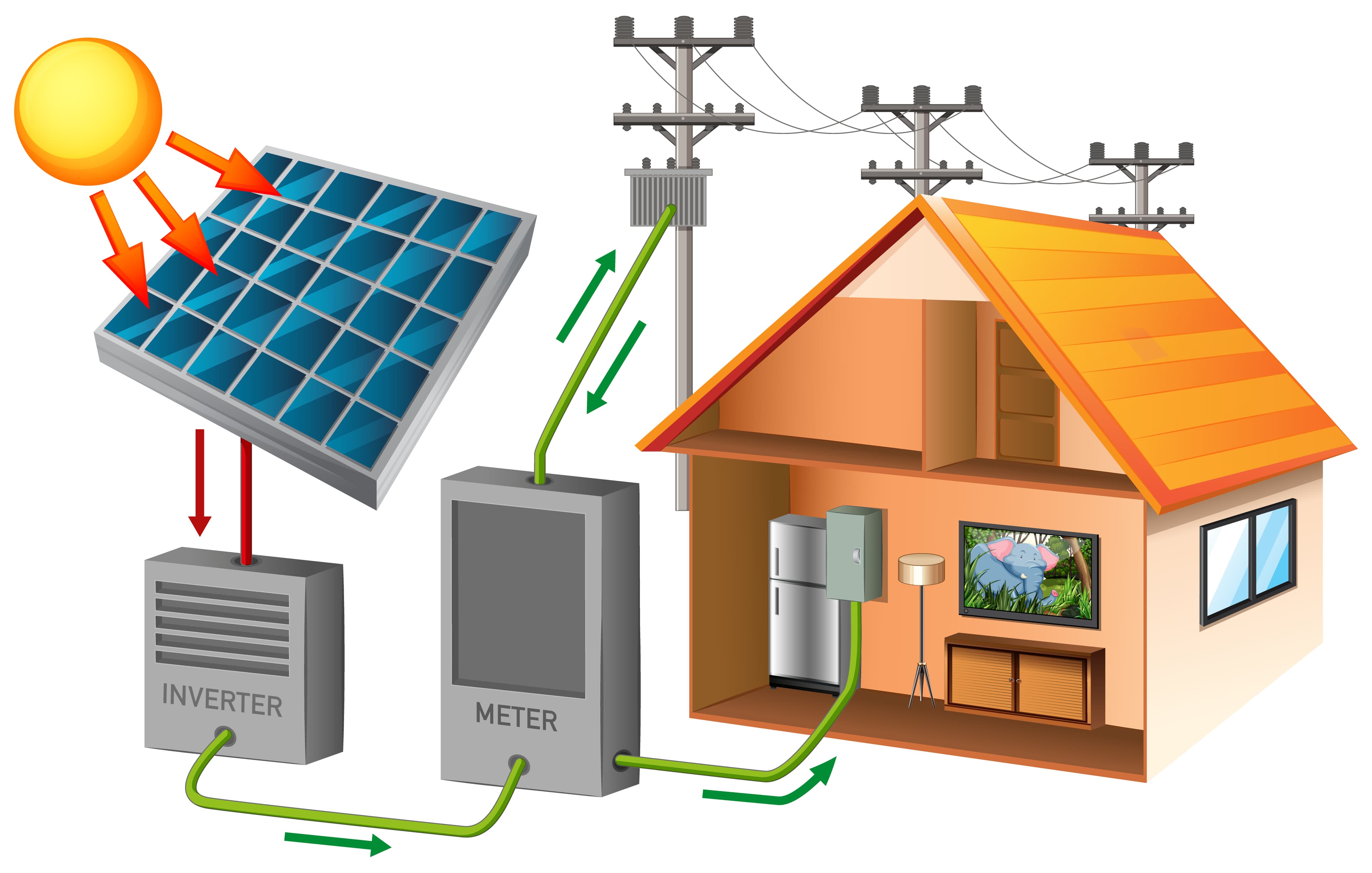
We coordinate the DISCOM inspection and get your bi-directional meter installed and commissioned.
Monitoring & payout
Track daily generation from the app while your subsidy lands directly in your bank account.
Before you book a site visit.
How much subsidy will I actually get? +
The central government pays ₹30,000 for a 1 kW system, ₹60,000 for 2 kW, and a capped ₹78,000 for 3 kW or larger — paid directly to your bank account after installation and DISCOM inspection. Some states add their own top-up. We calculate your exact eligibility during the free site visit and handle the entire filing.
I live in an apartment — can I still install solar? +
Yes, with your housing society's consent for the shared rooftop. SunSaathi coordinates with your RWA, works out each flat's allocation, and files the paperwork for the society as well as individual homeowners.
Do I need to pay everything upfront? +
No. We arrange financing with partner lenders so you can pay through an EMI, often lower than your current electricity bill. The government subsidy is credited to your account after installation and reduces your outstanding loan or upfront cost.
What if my roof isn't strong enough, or gets shaded? +
That's exactly what the free site visit checks — structural load, roof material, shading patterns through the day, and your sanctioned electricity load — before we recommend a system size or you commit to anything.
What happens after the panels go up? +
We coordinate your net-metering application and DISCOM inspection, hand over a monitoring app so you can track daily generation, and your subsidy is disbursed. Panels carry a 25-year performance warranty, with a separate workmanship warranty on installation.
How long does the whole process take? +
Typically 3–6 weeks from your first site visit to a commissioned, net-metered system — timing depends mostly on your DISCOM's inspection schedule, which is outside anyone's direct control.
What is net metering, and why does it matter? +
Net metering is the bi-directional meter your DISCOM installs that tracks both the electricity you draw from the grid and the surplus your panels export back to it. Your bill is calculated on the net difference, which is how daytime generation ends up offsetting nighttime consumption.
How much maintenance does a rooftop solar system need? +
Very little. Panels generally need a wipe-down every few weeks during dry, dusty months, and a basic annual inspection of wiring and the inverter. SunSaathi's monitoring app also flags any drop in generation so an issue can be caught early.
How long do solar panels actually last? +
Panels are typically warrantied for 25 years of performance, though most continue generating usable power beyond that, at a gradually reduced output. Inverters usually carry a shorter separate warranty and may need replacement once during the panels' lifetime.
Does solar work during a power cut or load-shedding? +
A standard on-grid system shuts off automatically during a grid outage, for safety, even if the sun is out. If backup during outages matters to you, we can size a hybrid system with battery storage instead.
What kind of roof works for solar — RCC, tin, or tiled? +
RCC (flat concrete) roofs are the easiest and most common in Indian homes, using a simple mounting structure. Metal sheet and tiled roofs can usually be fitted too with the right mounts — our site engineer confirms feasibility and any reinforcement needed during the free visit.
Your roof has been idle long enough.
Get your free site assessment and a real subsidy & savings number — no obligation, no hidden charges.